June 24, 2026
Creating an outdoor space that is both attractive and practical requires thoughtful planning. A well-executed backyard design does more than improve curb appeal. It creates a comfortable environment for relaxation, entertaining, gardening, and everyday living. Whether you have a large property or a compact yard, balancing beauty and functionality can help you get the most value from your outdoor space.
Successful backyard design combines visual appeal with purposeful features that serve your lifestyle. From selecting the right plants to incorporating outdoor structures and sustainable practices, every choice contributes to a landscape that looks great and performs well throughout the year. Understanding the key principles behind effective outdoor planning can help homeowners create a backyard that is both inviting and useful.
What Are the Fundamental Principles of Backyard Design?
The foundation of any successful backyard design begins with a clear plan. Before choosing plants, furniture, or decorative elements, it is important to understand how the space will be used. Some homeowners prioritize entertaining guests, while others want a peaceful retreat or a family-friendly environment.
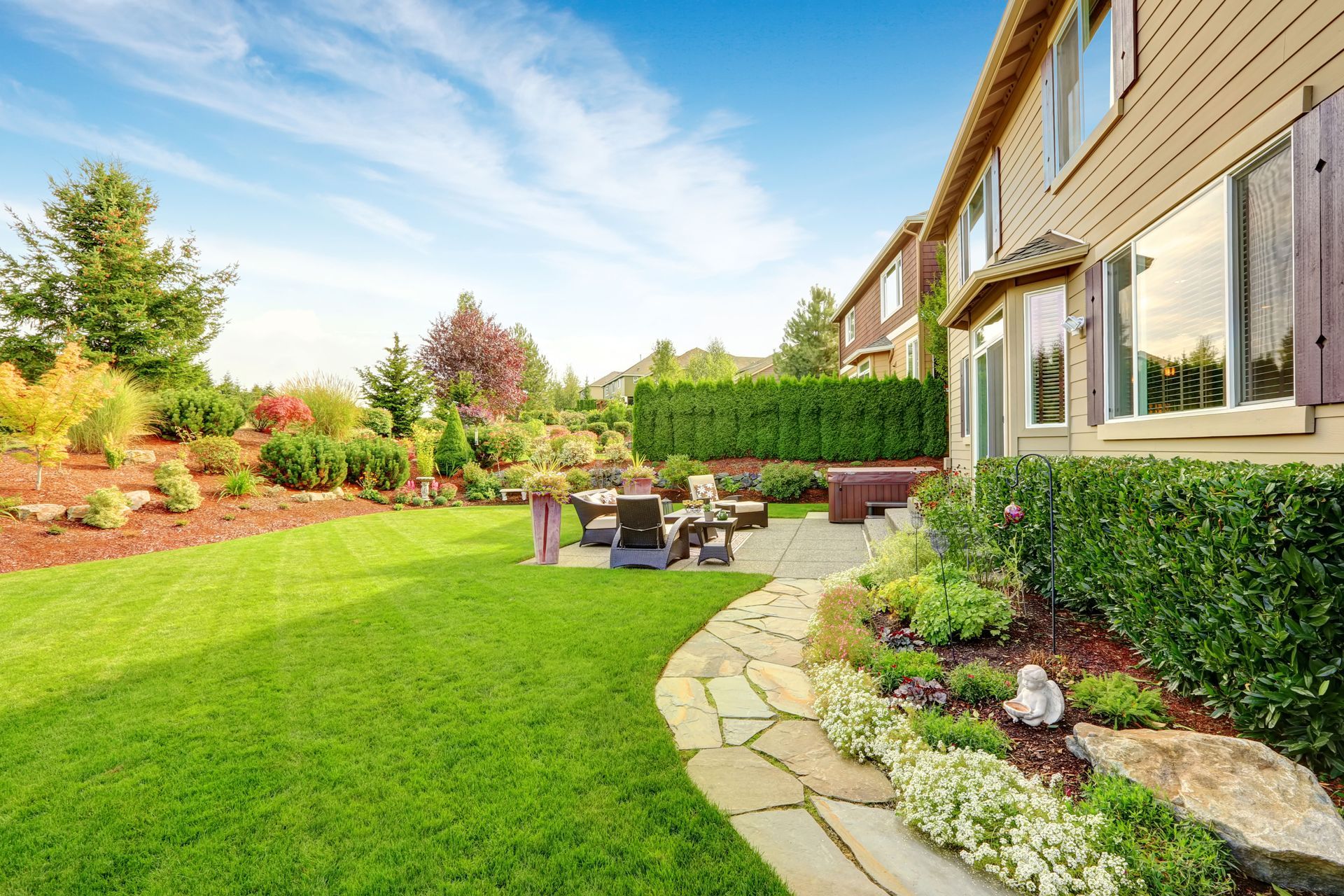
Layout plays a major role in creating an organized and functional outdoor area. Defining separate zones for dining, lounging, gardening, or recreation helps establish a natural flow throughout the yard. Well-planned pathways connect these areas while making movement easy and intuitive.
Color schemes also influence the overall atmosphere. Consistent color palettes create visual harmony and prevent the landscape from feeling cluttered. Neutral hardscaping materials paired with complementary plant colors often create a timeless appearance that remains appealing throughout changing seasons.
Thematic consistency is another important aspect of backyard design. Whether you prefer a modern, rustic, tropical, or traditional style, maintaining a cohesive theme helps unify the entire space. Consistency in materials, plant selections, lighting fixtures, and decorative accents contributes to a polished appearance.
Scale and proportion should also be considered. Oversized features can overwhelm smaller yards, while tiny elements may appear lost in larger spaces. Matching landscape features to the size of the property creates a balanced and visually pleasing environment.
How Can You Maximize Small Backyard Spaces?
Limited square footage does not mean sacrificing style or functionality. In fact, strategic backyard design can make even the smallest outdoor spaces feel larger and more useful.
One effective approach is to utilize vertical space. Trellises, living walls, hanging planters, and climbing plants add greenery without consuming valuable ground space. Vertical elements also create visual interest and draw the eye upward, making the yard feel more expansive.
Multi-functional features are particularly valuable in compact yards. Built-in benches with hidden storage, raised garden beds that double as seating, and foldable furniture help maximize usability while minimizing clutter. Every element should serve a purpose whenever possible.
Creating distinct zones can also improve the perception of space. A small patio area, garden corner, and seating nook help establish separate functions without requiring a large footprint. Thoughtful transitions between these areas contribute to a more organized and spacious feel.
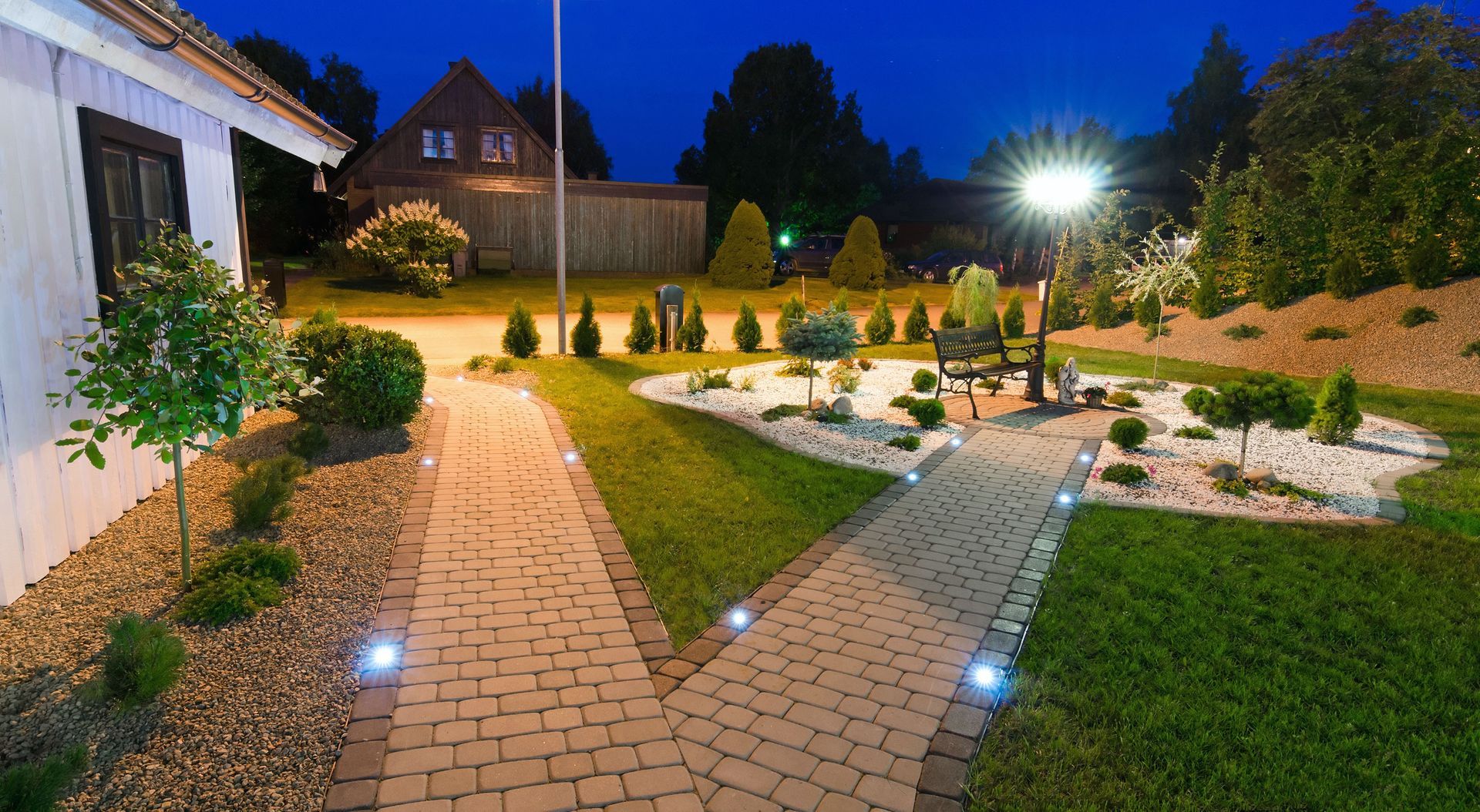
Strategic lighting can further enhance small outdoor environments. Well-placed pathway lights, accent lighting, and string lights create depth and dimension after sunset. Proper illumination extends the usability of the space while highlighting key design features.
Which Elements Add Both Beauty and Functionality?
Many landscape features provide both visual appeal and practical benefits. Incorporating these dual-purpose elements allows homeowners to maximize the value of their backyard design.
Pergolas are among the most popular additions. They provide partial shade, define outdoor living areas, and create architectural interest. Pergolas can also support climbing plants, adding natural beauty while enhancing comfort.
Garden paths offer another excellent combination of form and function. Pathways guide movement through the yard, protect planted areas from foot traffic, and create structure within the landscape. Materials such as stone, gravel, brick, and pavers can complement a variety of design styles.
Outdoor kitchens and fire features have become increasingly popular for homeowners who enjoy entertaining. These additions create gathering spaces that encourage social interaction while increasing the functionality of the backyard.
Water features can also serve multiple purposes. Fountains and small ponds introduce soothing sounds that help mask neighborhood noise while creating focal points that enhance visual appeal. Even modest water elements can significantly elevate the atmosphere of an outdoor space.
Raised garden beds contribute both beauty and productivity. They improve planting conditions, create visual definition, and make gardening more accessible. Homeowners can use them for flowers, vegetables, herbs, or a combination of plantings.
What Are the Best Plant Choices for Various Climate Zones?
Plant selection is one of the most influential aspects of backyard design. Choosing species that are well-suited to local climate conditions promotes healthier landscapes while reducing maintenance requirements.
In warmer regions, drought-tolerant plants often perform exceptionally well. Succulents, lavender, ornamental grasses, and many native species can withstand periods of limited rainfall while maintaining visual appeal. These plants often require less irrigation and fewer resources to thrive.
According to Martha Stewart, requests for low-water and drought-tolerant landscapes increased by 30% in 2025, highlighting a growing shift toward water-wise backyard design. This trend reflects increasing awareness of resource conservation and the long-term benefits of selecting plants that align with local environmental conditions.
In cooler climates, homeowners may benefit from choosing hardy perennials that can withstand seasonal temperature fluctuations. Coneflowers, black-eyed Susans, hostas, and various evergreen shrubs provide year-round interest while adapting well to changing weather patterns.
Native plants are often among the best choices regardless of location. Because they evolved within the local environment, they typically require less water, fertilizer, and maintenance. Native species also support pollinators, birds, and other wildlife that contribute to a healthy ecosystem.
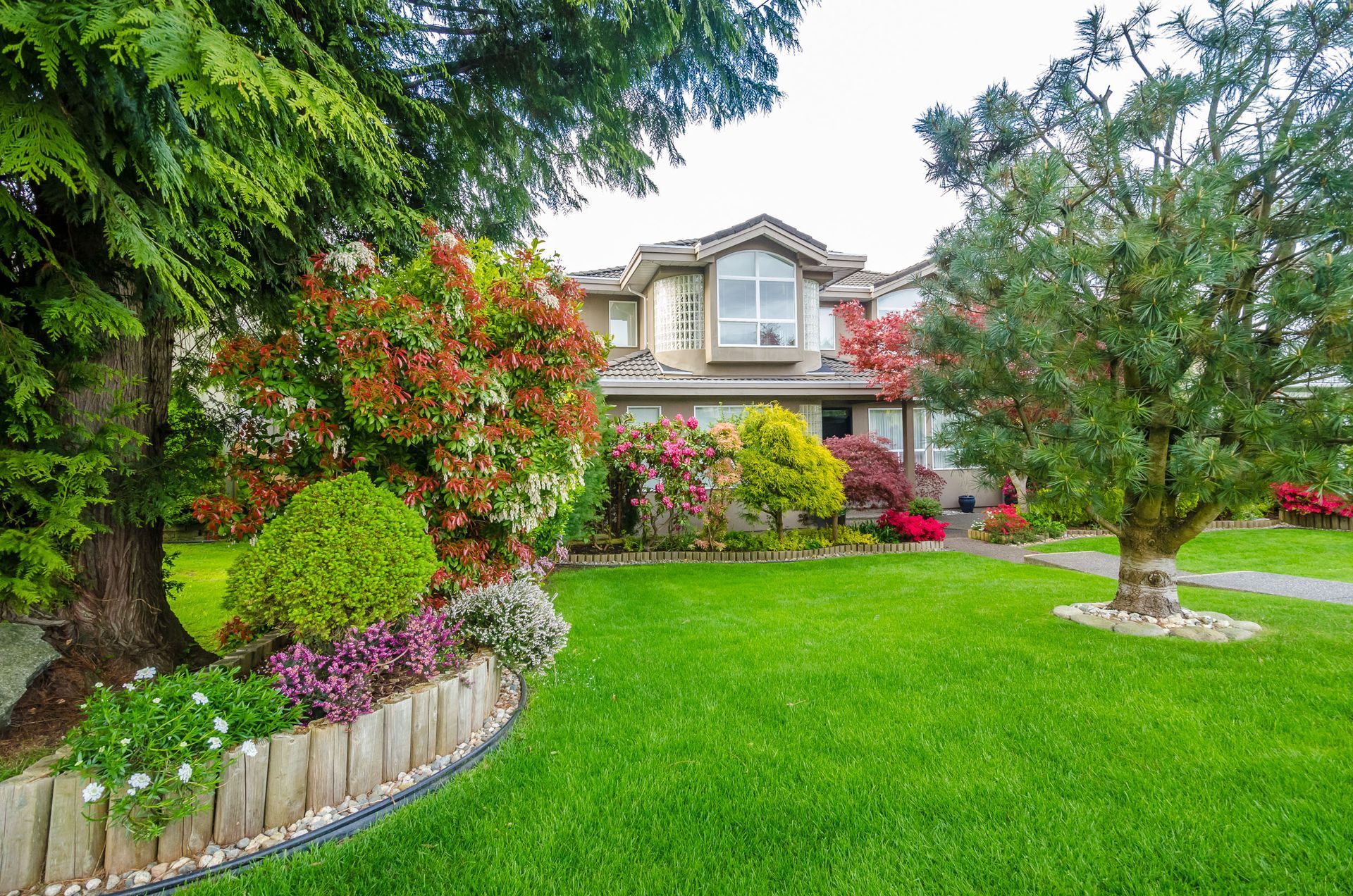
Layering plant heights creates visual depth and enhances the overall backyard design. Combining ground covers, flowering perennials, ornamental grasses, shrubs, and trees establishes a rich and dynamic landscape that remains attractive throughout multiple seasons.
How to Incorporate Sustainable Practices in Backyard Design?
Sustainability has become a major consideration in modern backyard design. Environmentally responsible choices can reduce maintenance demands, lower resource consumption, and create healthier outdoor environments.
Efficient water management is often the first step. Drip irrigation systems deliver water directly to plant roots, minimizing waste and promoting healthier growth. Rain barrels can also capture runoff for future irrigation needs, reducing reliance on municipal water supplies.
Permeable hardscape materials help manage stormwater naturally. Gravel pathways, permeable pavers, and porous concrete allow rainwater to infiltrate the soil rather than contributing to runoff. These solutions can improve drainage while supporting sustainable landscape practices.
Composting is another valuable strategy. Recycling yard debris and kitchen scraps creates nutrient-rich soil amendments that improve plant health while reducing waste. Healthy soil often requires fewer fertilizers and retains moisture more effectively.
Selecting locally sourced materials can further support sustainable backyard design. Locally available stone, wood, and other building materials often require less transportation and may blend more naturally with the surrounding environment.
Reducing lawn size is another increasingly popular approach. Large turf areas often require significant water, fertilizer, and maintenance. Replacing portions of traditional grass with native plantings, ornamental beds, or functional outdoor living spaces can reduce resource consumption while enhancing visual interest.
Energy-efficient outdoor lighting provides additional benefits. LED fixtures consume less electricity and typically last longer than traditional lighting options. Combined with timers or smart controls, they can improve efficiency without sacrificing aesthetics.
Creating a successful
backyard design involves more than selecting attractive plants and decorative features. The most effective outdoor spaces balance beauty and functionality to support everyday activities while enhancing visual appeal. By focusing on thoughtful layouts, maximizing available space, incorporating dual-purpose features, selecting climate-appropriate plants, and embracing sustainable practices, homeowners can create landscapes that are both enjoyable and practical.
Whether you are planning a complete transformation or making gradual improvements, these backyard design strategies can help you build an outdoor environment that reflects your lifestyle while providing lasting value. A well-designed backyard serves as an extension of the home, offering comfort, beauty, and functionality for years to come. If you're looking for a beautiful backyard design, reach out to the team at Griffin's Desert Scapes, Inc today!