March 27, 2026
In the world of home improvement, landscaping holds a unique power to transform not only outdoor spaces but also the overall ambiance and functionality of a property. Professional landscape contractors bring expertise, creativity, and a keen eye for detail to elevate any yard. This article explores the pivotal roles these specialists play in turning patchy landscapes into polished masterpieces.
Understanding the Basics of Yard Transformation
Evaluating the Existing Landscape
The first step in any yard transformation is a thorough evaluation of the existing landscape. This involves assessing the current state of the yard, including soil quality, existing plantings, and any structural or visual elements. Landscapers use this evaluation to identify strengths and weaknesses, which guide the planning process. By understanding the landscape's current state, contractors can predict the types of challenges that may arise and plan accordingly.
Setting Clear Goals and Priorities
After evaluating the existing landscape, setting clear goals and priorities is crucial. Homeowners often desire a balance between beauty and functionality, which landscape contractors help define and achieve. Contractors work closely with homeowners to list and prioritize the essential aspects of the landscaping project, such as areas to highlight or specific styles to emulate. This collaborative process ensures that the result aligns with the homeowner’s vision and budget. By setting clear priorities, contractors focus their efforts on delivering maximum value and satisfaction.
Budgeting for the Project
Developing a realistic budget is another foundational element of yard transformation. Landscapers help homeowners understand the costs associated with different aspects of the project, from design to installation and maintenance. A well-thought-out budget also helps homeowners prioritize their desires, ensuring the most important elements are executed flawlessly. Unexpected expenses are minimized when all parties are clear on cost expectations from the outset. Comprehensive budgeting is essential for avoiding financial overreach and ensuring the project stays on track.
The Art of Design: Creating a Vision
The Role of Aesthetic Principles
In landscaping, aesthetic principles are the foundation of creating visually pleasing designs. These principles include balance, contrast, harmony, and proportion, which work in unison to form cohesive landscapes. Landscapers utilize these principles to guide the selection and placement of elements in a yard, ensuring each feature complements the others. By incorporating aesthetic considerations, contractors achieve designs that are not just functional but also aesthetically captivating.
Incorporating Home Architectural Styles
A well-designed landscape reflects and complements the architectural style of the home it surrounds. Landscape contractors skillfully integrate elements that align with a home’s architectural features, creating a seamless and harmonious transition from indoor to outdoor spaces. This integration extends to materials, colors, and forms used in the landscape design, ensuring consistency and cohesion. By aligning the landscaping with the architecture, homeowners achieve an enhanced sense of unity and appeal. This thoughtful consideration vastly increases the marketability and allure of the property.
Leverage Hardscaping Elements
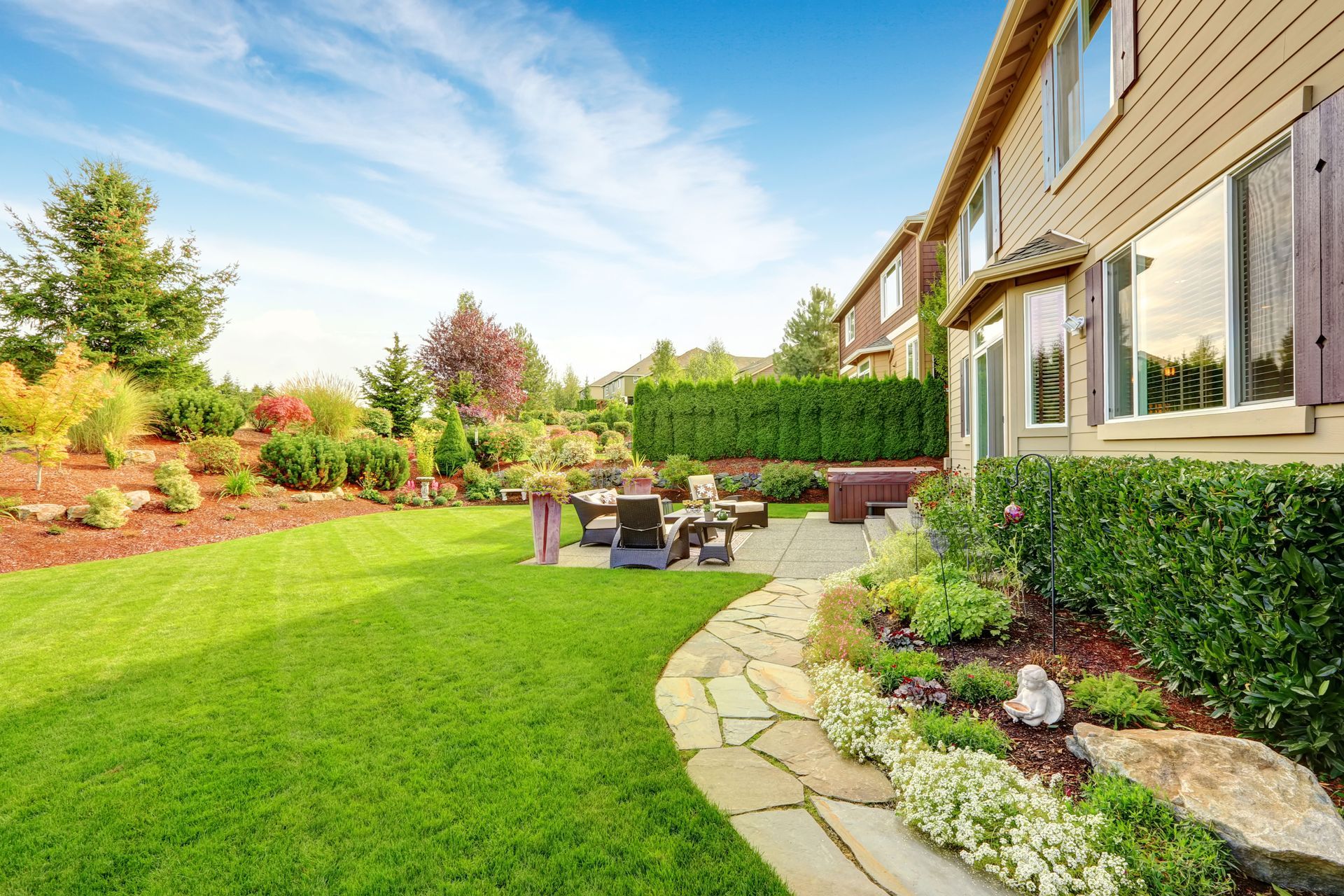
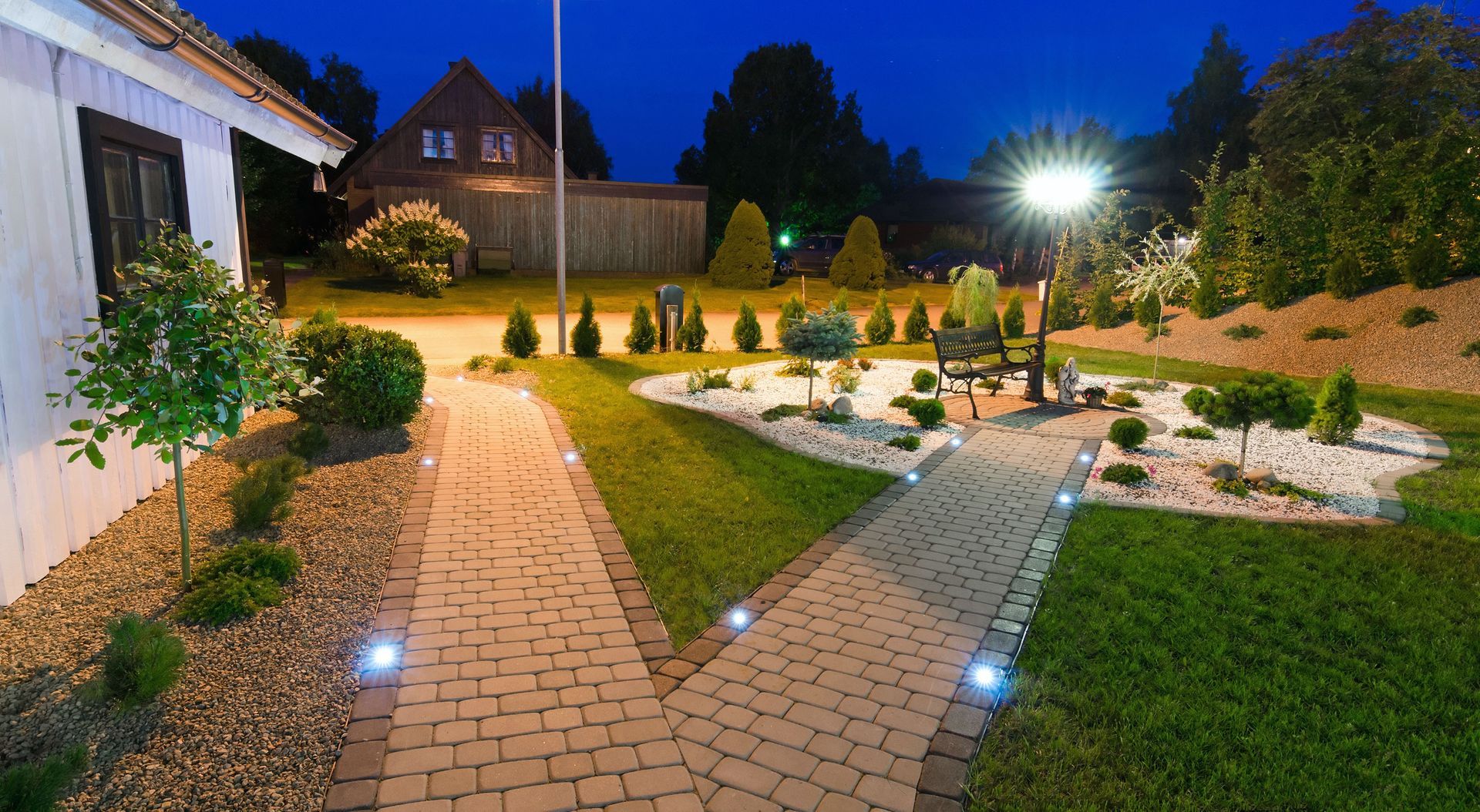
Hardscaping elements, like patios, walkways, and retaining walls, play a vital role in defining outdoor spaces. Landscape contractors expertly incorporate these elements to add structure and functionality to a yard. Hardscapes also provide balance in a landscape, offering textural contrast and enhancing the overall aesthetic appeal. Thoughtful inclusion of hardscaping improves accessibility and usability, making outdoor areas more enjoyable for various activities. Additionally, these elements often require minimal maintenance, making them a practical choice for long-term planning.
Plant Selection and Placement
Understanding Soil and Climate Compatibility
Selecting the right plants involves a deep understanding of soil and climate compatibility. Landscape contractors assess local soil conditions and climate to choose species that will thrive in the given environment. This careful selection ensures plant health and reduces the need for additional resources like fertilizers and water. Contractors leverage their expertise to create sustainable landscapes that minimize environmental impact and maximize visual appeal.
Choosing Native and Drought-Resistant Plants
Incorporating native and drought-resistant plants is a sustainable choice that landscapers often prioritize. These plants are well-adapted to local conditions and typically require less water and maintenance. Implementing such species not only lowers environmental impact but also ensures the landscape remains resilient during dry seasons. Additionally, native plants support local wildlife, contributing positively to local ecosystems. Opting for these plant types enhances the yard’s adaptability and sustainability, aligning with eco-friendly landscaping principles.
Creating Focal Points and Layering
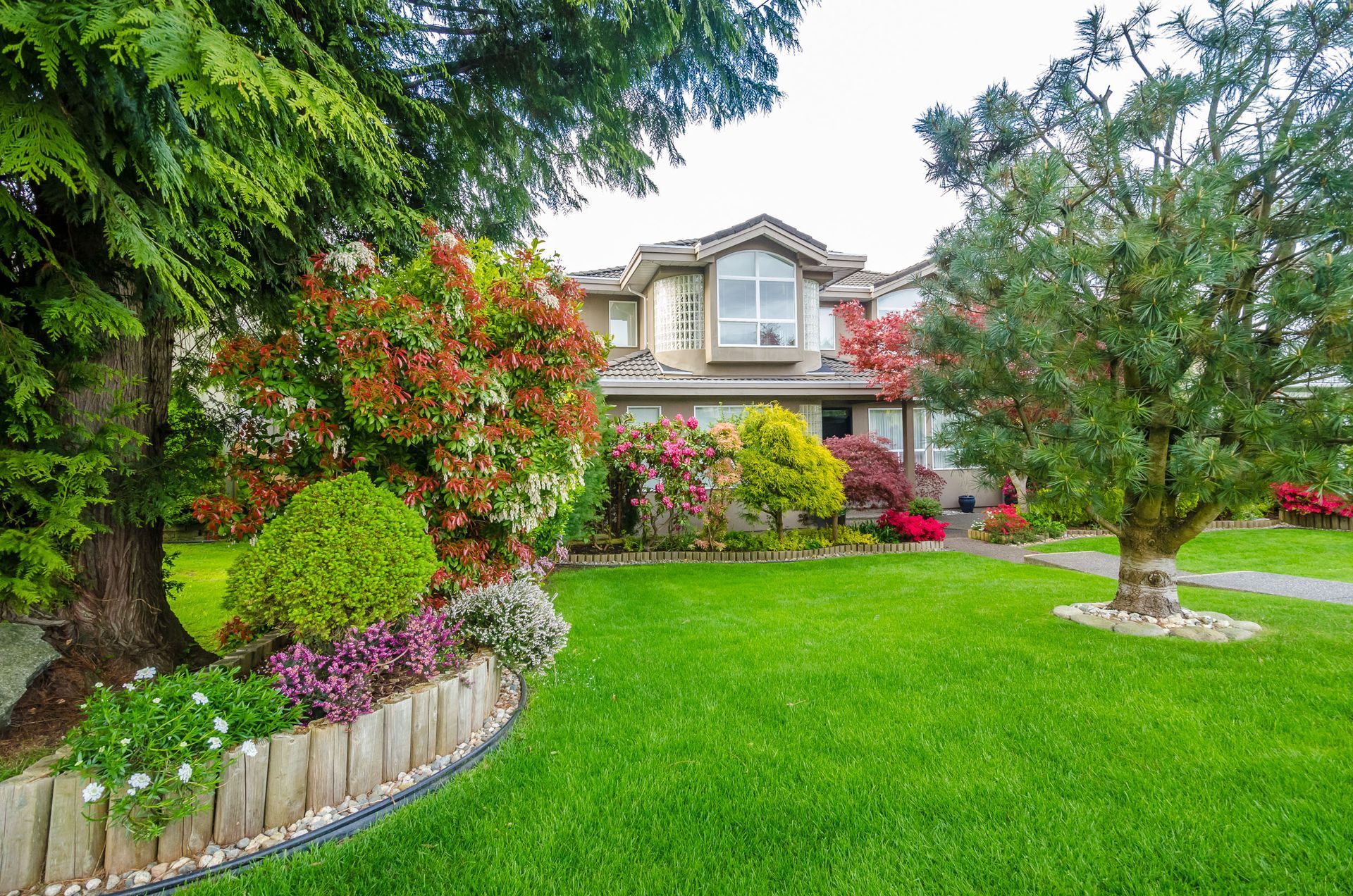
Focal points and layering are key techniques in landscape design that draw interest and depth to a yard. Contractors use focal points, such as statues or water features, to guide the viewer's attention and create visual anchors. Layering involves arranging plants at varying heights and depths to add dimension and texture to the landscape. These techniques work together to produce dynamic and engaging visual experiences.
Essential Landscaping Techniques
Proper Drainage and Irrigation Solutions
Proper drainage and irrigation are essential to maintaining a healthy landscape. Landscape contractors design systems that effectively manage water flow, preventing issues such as soil erosion or plant root rot. These systems include features like French drains, rain gardens, and smart irrigation technologies that optimize water use. Adequate drainage and irrigation ensure the landscape remains vibrant and resilient, even during periods of heavy rainfall or drought. By implementing these solutions, contractors protect the landscape’s integrity and reduce long-term maintenance needs.
Soil Preparation and Mulching
Soil preparation is a cornerstone of successful landscaping. Contractors test and amend soil as needed to provide a fertile foundation for plant growth. Mulching is often used to improve soil health, retain moisture, and suppress weeds. It also adds a finished look to the landscape, enhancing its aesthetic appeal. By focusing on careful soil preparation and appropriate mulching, contractors create a nurturing environment that supports robust and healthy plant development, leading to a thriving and low-maintenance landscape.
Pruning and Trimming Best Practices
Pruning and trimming are vital maintenance practices that keep landscapes looking polished. These techniques involve the careful removal of dead or overgrown branches to promote plant health and maintain desired shapes. Contractors use their expertise to time these activities effectively, considering the specific growth cycles of different plants. Proper pruning and trimming enhance air circulation, sunlight penetration, and plant vigor, supporting overall landscape vitality.
Maintenance and Upkeep Strategies
Regular Lawn and Garden Care
Consistent lawn and garden care is crucial for a landscape's appearance and health. This includes regular mowing, watering, weeding, and inspecting plants for signs of disease or pests. Contractors offer maintenance services that ensure these routines are performed correctly and efficiently. Proper lawn and garden care contributes to a neat and inviting appearance, enhancing the property's curb appeal. With professional maintenance, landscapes remain groomed and verdant, providing ongoing pleasure and increasing property value.
Fertilization and Pest Management
Effective fertilization and pest management are vital components of comprehensive landscape care. Contractors use specialized knowledge to select appropriate fertilizers that nourish plants without causing harm. Pest management strategies address common landscape pests, protecting plants from damage while maintaining ecological balance. By balancing nourishment and protection, these practices keep the landscape thriving and healthy.
Revitalization of Aging Landscapes
Over time, landscapes can lose their luster due to weathering, plant overgrowth, or changes in homeowner preferences. Contractors offer revitalization services that breathe new life into aging landscapes, incorporating modern trends and addressing functional challenges. This process may involve redesigning plant layouts, updating hardscaping, or enhancing existing features with new technologies. Revitalization improves curb appeal and overall enjoyment, often increasing property value. According to LawnStarter, landscaped homes usually sell for 5% to 12% more than similar homes without landscaping, highlighting the financial benefits of well-maintained yards.
Landscape contractors are instrumental in turning any uninspiring yard into a cohesive and vibrant outdoor living space. Through thoughtful design, skilled execution, and ongoing maintenance, they not only enhance visual appeal but also contribute significantly to the environmental, functional, and economic value of a property. With their professional expertise, any landscape can truly go from patchy to polished. Bring your yard to life with Griffin's Desert Scapes, Inc for expert design, durable craftsmanship, and outdoor spaces built to thrive.